Design Traditions
Texas Regional Styles
Limestone and metal roofs, Victorian porches and mid-century glass: how Texas regions build, and what to check before you buy.
Texas is big enough to have its own design traditions. German settlers built with Hill Country limestone. Gulf Coast builders raised houses to catch the breeze and stay above water. Dallas and Houston grew neighborhoods of Prairie, Tudor and Craftsman homes, and Austin and Houston produced some of the state's best mid-century modern design.
Each region also has its own conditions: clay soils that move, hail, floods, drought and heat. This page covers the signature styles in five regions and the practical checks that matter in each one.
Texas Hill Country
Limestone, Live Oaks and Big Porches
Climate & Land
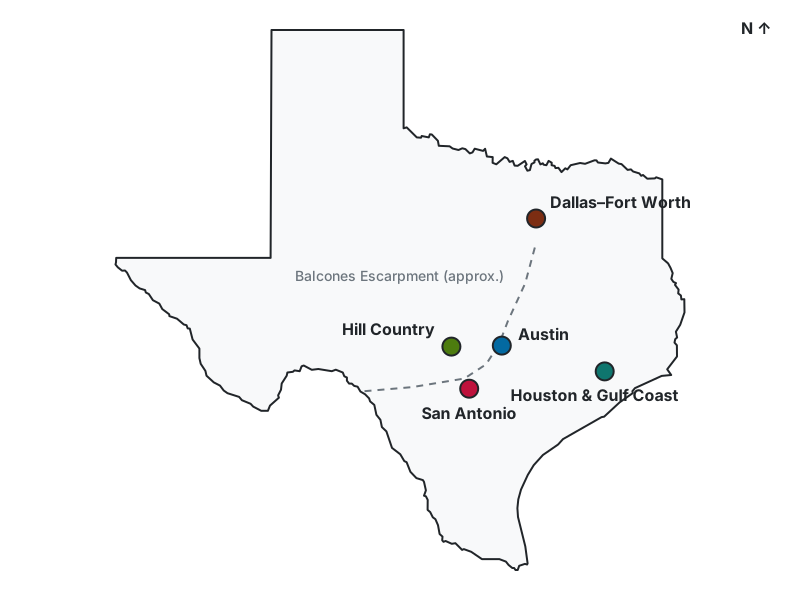
Rolling limestone hills, thin rocky soils, live oaks and spring-fed rivers west of the Balcones Escarpment. Summers are hot, droughts are common, and heavy rain can cause fast-rising floods in creeks and low-water crossings. Georgetown sits along the eastern edge of the Hill Country, where the hills meet the Blackland Prairie.
Signature Styles
Texas German Vernacular
German immigrants who founded Fredericksburg in 1846 built with local limestone and fachwerk, a heavy timber frame with diagonal braces filled with stone and mortar. Thick walls and narrow windows kept interiors cool.
Sunday Houses
Small town houses, unique to the German culture of the Hill Country, where farm families stayed when they came to town for market and church. Many have an outside stair to a half-story loft.
Hill Country Style
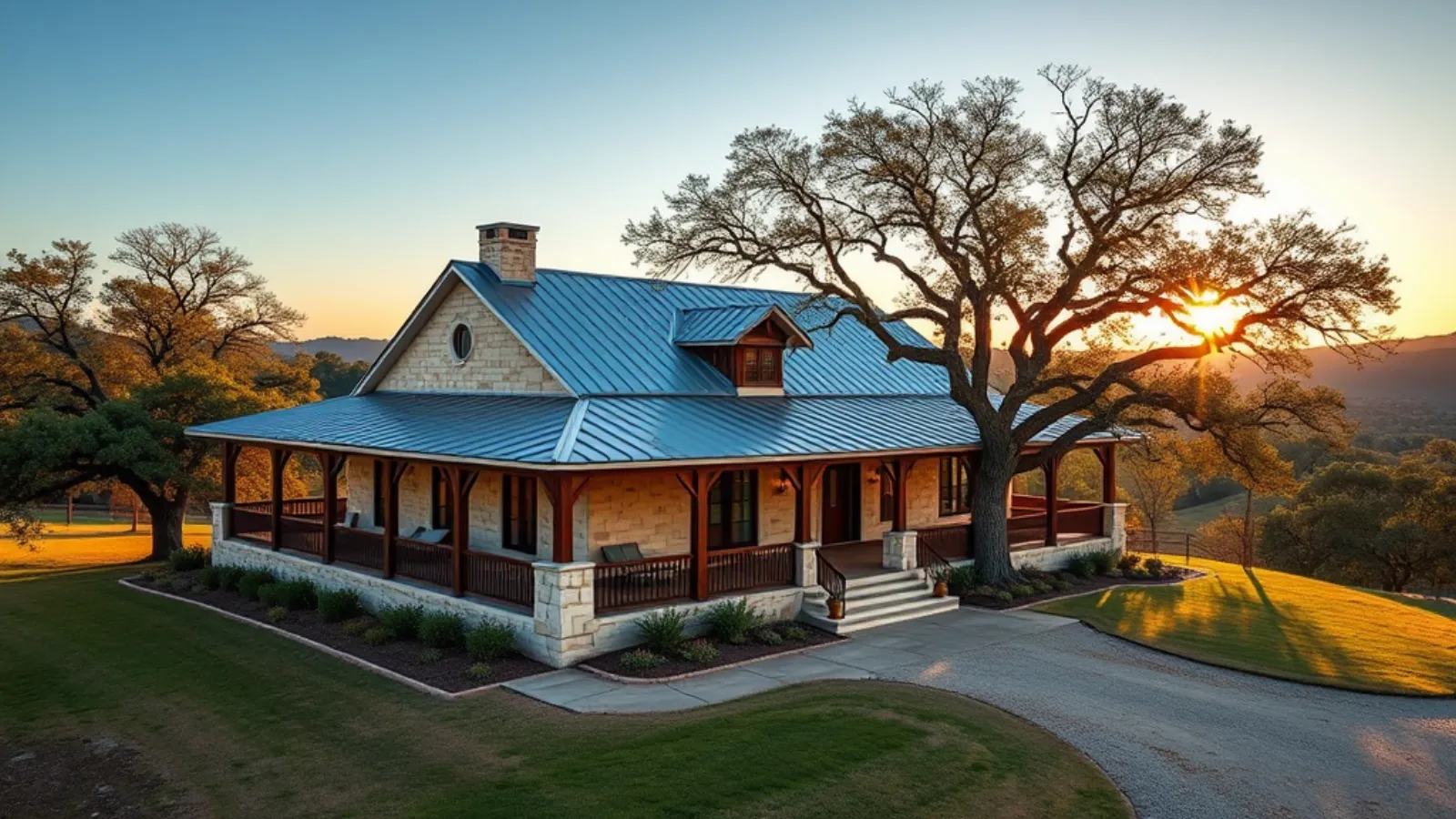
Native limestone walls, standing-seam metal roofs and deep wraparound porches, often sited among live oaks.
Hill Country Modern
The same limestone and metal, with clean lines, large glass and open plans.
Texas Regional Modern
Architects David R. Williams and O'Neil Ford combined modern design with early Texas building traditions, using native brick, wood and stone.
Where to See It
- Fredericksburg Historic District: Listed on the National Register in 1970, with fachwerk, limestone and Sunday Houses around Main Street.
- New Braunfels, Comfort and other German-founded towns: Texas German stone and timber buildings.
- Georgetown: Historic downtown and older neighborhoods along the eastern edge of the Hill Country.
What to Look For
- Septic systems: Rural homes often use on-site sewage facilities (OSSF). Confirm the permit, type and inspection history.
- Oak wilt: A serious disease of live oaks in Central Texas. Ask about tree health and pruning history.
- Slope and access: Steep lots, low-water crossings and private roads affect building costs, insurance and access in floods.
- Wildfire: Brush and dry conditions raise wildfire risk; note defensible space and insurance.
Austin
Bungalows, Mid-Century Modern and Big Trees
Climate & Land
Austin straddles the Balcones Escarpment: hills, limestone and creeks to the west, and darker clay soils of the Blackland Prairie to the east. Summers are long and hot, and Central Texas is prone to intense rain and flash flooding.
Signature Styles
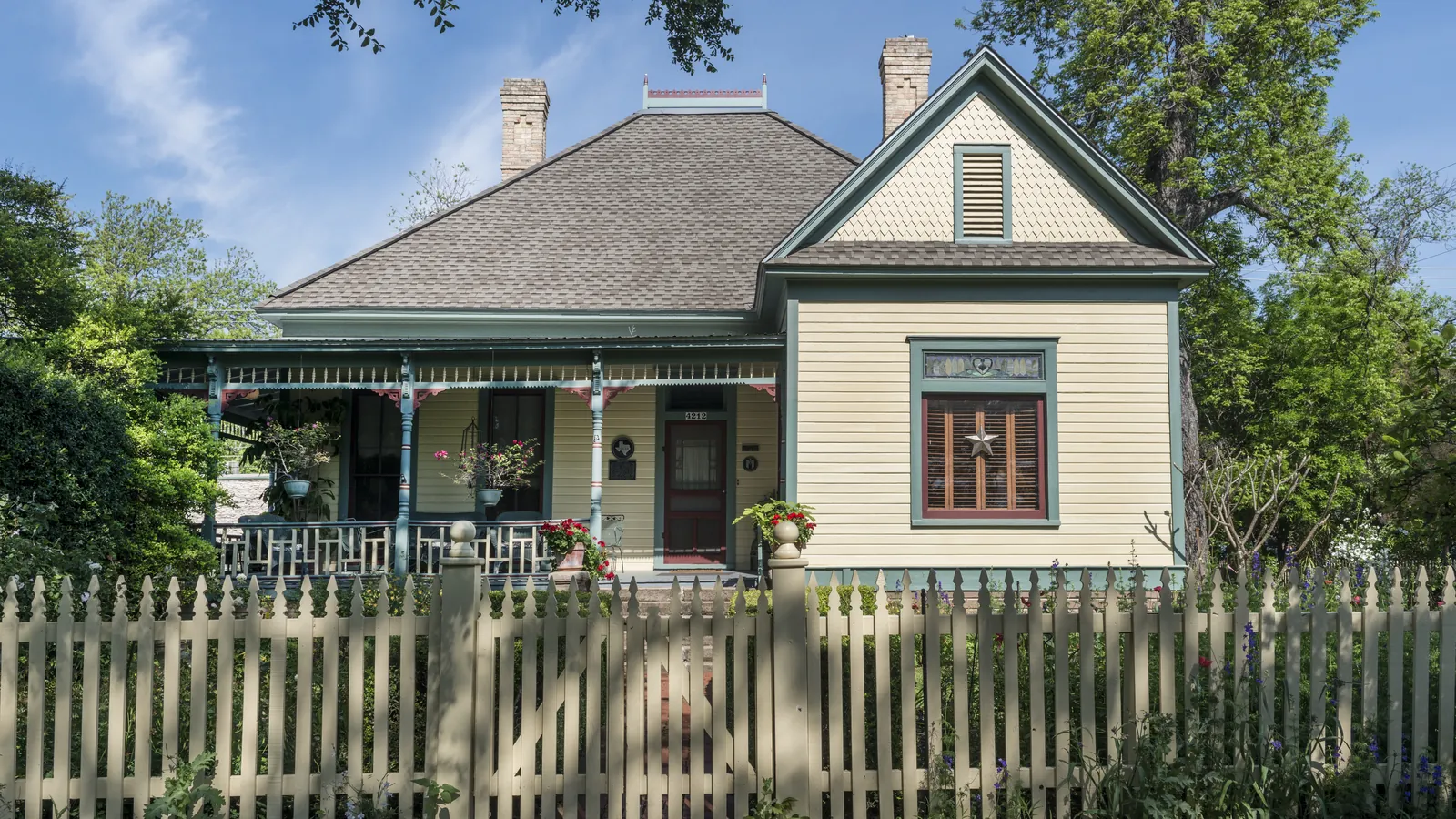
Victorian & Queen Anne
Late-1800s homes with towers, wraparound porches and decorative woodwork.
Craftsman Bungalows
Early-1900s homes with low roofs, tapered porch columns and exposed rafters; the most common historic style in many central neighborhoods.
Mid-Century Modern
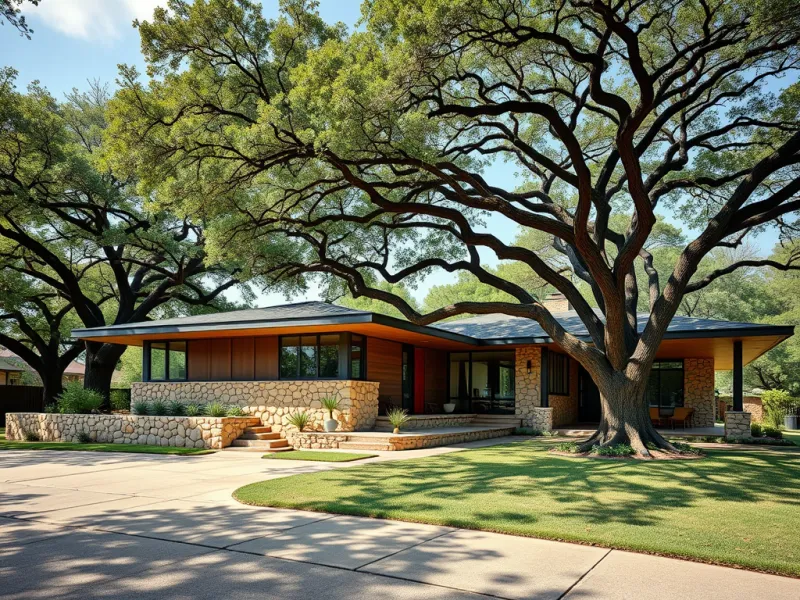
1950s homes by designer-builder A. D. Stenger in Barton Hills and Rollingwood, with stone walls, clerestory windows and low, canted roofs. Stenger is sometimes called the "Eichler of Austin."
Austin Contemporary
Modern homes combining limestone, metal roofing, wood and large glass.
Where to See It
- Hyde Park: Platted in 1891 and considered Austin's first suburb; Victorian homes and Craftsman bungalows. A National Register district and a local historic district.
- Barton Hills and Rollingwood: Concentrations of A. D. Stenger's mid-century modern homes.
- Clarksville and Old West Austin: Craftsman, Tudor and revival-style homes.
What to Look For
- Soils: Homes east of the escarpment may sit on expansive clay; check foundation condition.
Dallas–Fort Worth
Period Revivals, Prairie Homes and Brick
Climate & Land
North Texas has hot summers, occasional hard freezes and frequent spring storms with hail. Much of the region sits on the Blackland Prairie's expansive clay soils, which swell when wet and shrink when dry.
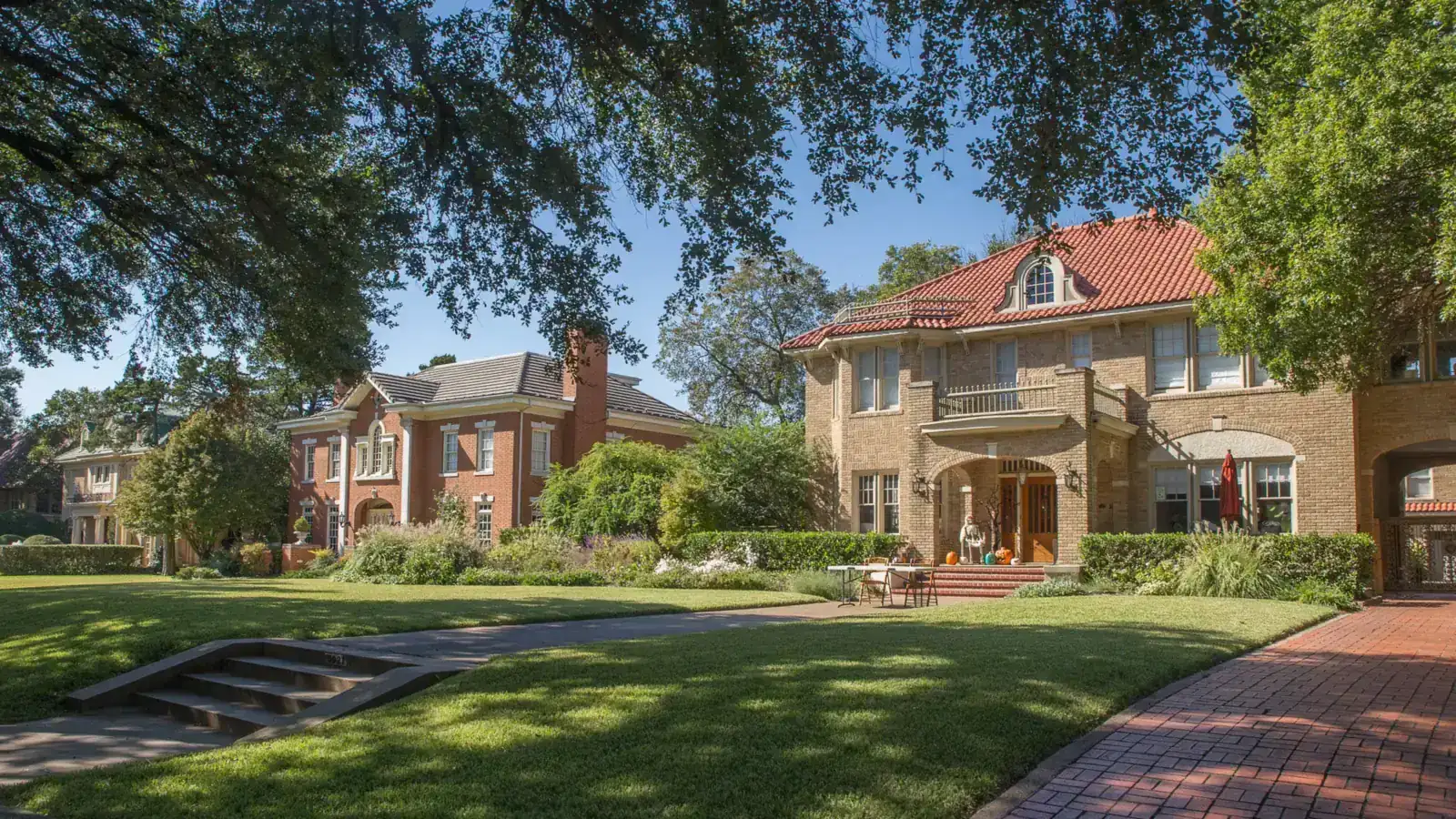
Signature Styles
Prairie & Prairie Foursquare
Early-1900s homes with low hipped roofs, deep overhangs and broad porches, influenced by Frank Lloyd Wright's Prairie School.
Tudor Revival
Steep gables, decorative half-timbering, brick and stone, and tall chimneys.
Georgian & Colonial Revival
Symmetrical brick facades with centered entrances. (See Classical Proportion on the European page.)
Spanish & Mediterranean Revival
Stucco walls, tile roofs and arched openings.
Mid-Century & Texas Modern
Post-war modern homes, including regional work of native brick, wood and stone by David R. Williams and O'Neil Ford.
Contemporary Traditional
Brick and stone suburban homes blending French, Tudor and Colonial details.
Where to See It
- Swiss Avenue Historic District (Dallas): Dallas's first historic district (1973), with at least 16 architectural styles, including Prairie, Tudor, Georgian, Mediterranean, Spanish and Craftsman.
- Munger Place and other East Dallas neighborhoods: Prairie and Craftsman homes.
What to Look For
- Foundations: Expansive clay can cause foundation movement. Look for cracks, sticking doors and uneven floors, and ask about foundation repairs and watering practices.
- Drainage: Grading and gutters should move water away from the foundation.
Houston & the Gulf Coast
Porches, Raised Floors and Mid-Century Ranches
Climate & Land
Flat, low-lying land with a hot, humid climate, heavy rainfall and hurricane exposure. Much of the region has clay soils, and drainage and flooding are central to how homes are built and evaluated.
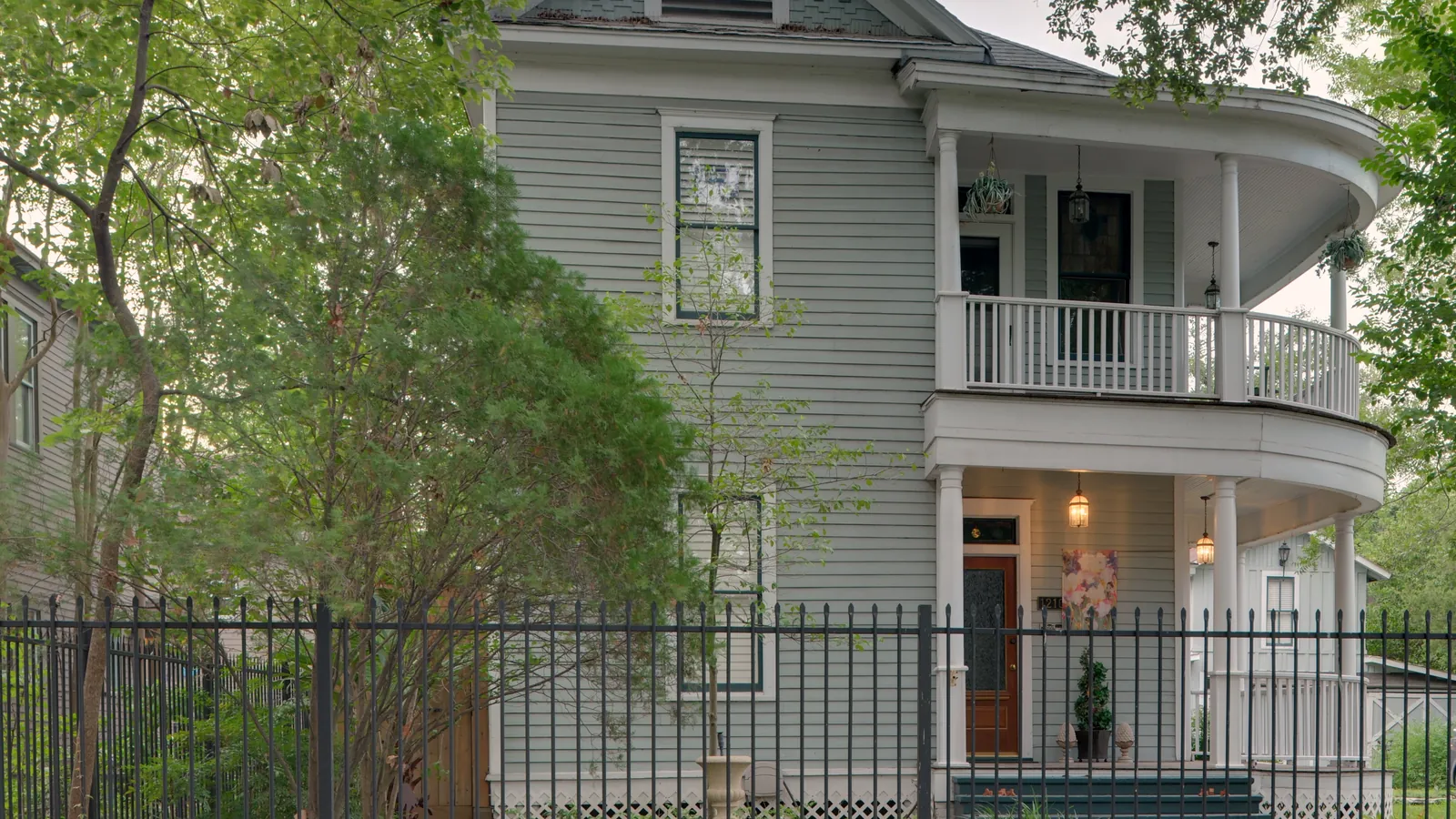
Signature Styles
Queen Anne & Folk Victorian
Late-1800s and early-1900s homes, many with two-tier front porches.
Craftsman Bungalows
Low roofs, wide eaves and deep porches.
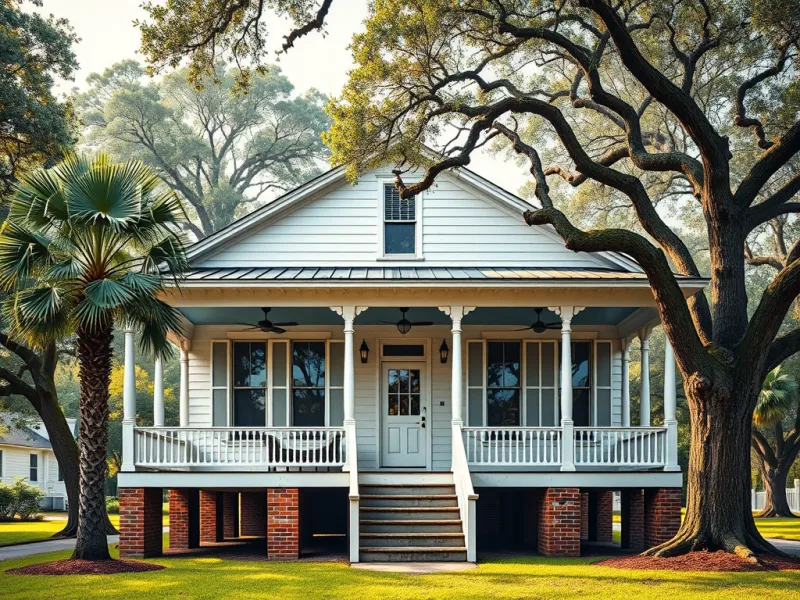
Gulf Coast Cottage
One-story frame cottages with porches and tall windows, often raised on piers for airflow and protection from water.
Ranch & Mid-Century Modern
Post-war single-story homes with low roofs, wide windows and carports.
Period Revival Estates
Tudor, Georgian, Mediterranean and other revival styles from the 1920s–1940s.
Where to See It
- Houston Heights: Houston's largest historic area; the most common styles are Queen Anne, Craftsman, Folk National and Folk Victorian.
- Glenbrook Valley: 1,254 homes built 1953–1962, designated in 2011 as the first post-World War II historic district in Texas; mostly Ranch and Mid-Century Modern.
- River Oaks: A 1920s planned neighborhood, laid out by the landscape firm Hare & Hare, known for period revival estates.
What to Look For
- Elevation and drainage: Slab height, lot grading and street drainage matter as much as the flood zone.
- Wind: Roof age, tie-downs and window protection affect insurance in hurricane-exposed areas.
- Humidity: Look for signs of moisture or mold, especially in older homes and crawlspaces.
- Foundations: Clay soils affect both slab and pier-and-beam homes.
San Antonio & South Texas
Missions, German Victorians and Texas Modern
Climate & Land
Hot, semi-arid summers and mild winters. The city sits at the edge of the Hill Country above the Edwards Aquifer, the region's main source of water, so development over its recharge zone is regulated.
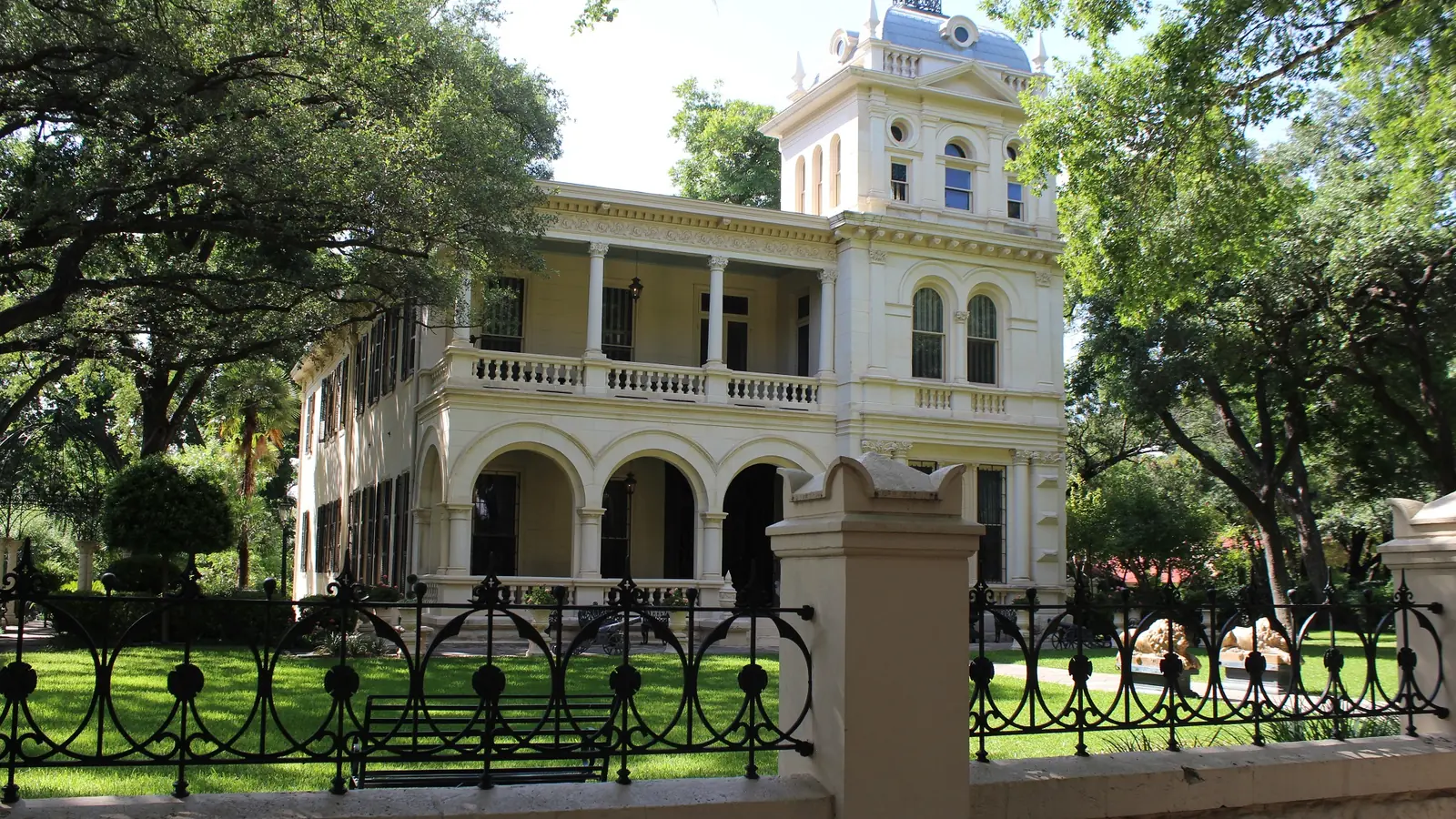
Signature Styles
Spanish Colonial Heritage
Stone missions and thick-walled colonial buildings from the 1700s.
Spanish & Mission Revival
Early-1900s stucco homes with tile roofs, arches and courtyards.
German Victorian & Italianate
Late-1800s homes built by German merchant families, with towers, mansard roofs and decorative scrollwork.
Texas German Vernacular
Simple stone and stucco homes in the German tradition.
Texas Regional Modern
O'Neil Ford, who practiced in San Antonio, blended modernism with local brick, stone and Mexican craft traditions, including vaulted brick ceilings (bovedas).
Where to See It
- King William Historic District: Settled by German merchants in the late 1800s; San Antonio's first designated historic district (1968) and Texas's first National Register historic district (1972).
- La Villita: A historic district near downtown whose renovation was led by O'Neil Ford.
What to Look For
- Heat: Shade, roof color, insulation and window orientation have a big effect on comfort and utility costs.
- Soils: Conditions range from limestone and caliche to expansive clay; check foundations.
At a Glance
Climate, common styles and key checks in each region
| Region | Climate & Land | Common Styles | Key Checks |
|---|---|---|---|
| Hill Country | Limestone hills, drought, flash floods | Texas German, Hill Country, Hill Country Modern | Wells, septic, oak wilt, access, wildfire |
| Austin | Hills to the west, clay prairie to the east | Victorian, Craftsman, Mid-Century, Contemporary | Tree rules, historic districts, floodplain |
| Dallas–Fort Worth | Expansive clay, hail, hot summers | Prairie, Tudor, Georgian, Mediterranean | Foundation, roof and hail, drainage |
| Houston & Gulf Coast | Flat, humid, heavy rain, hurricanes | Victorian, Craftsman, Gulf Coast cottage, Mid-Century | Flood zone, elevation, wind, humidity |
| San Antonio | Semi-arid, Edwards Aquifer | Spanish Colonial, German Victorian, Texas Modern | Aquifer rules, historic review, heat |
This page is general information, not legal, engineering or insurance advice. Verify local rules and have properties inspected by qualified professionals.
Continue exploring
Looking for a home with specific design features?
Tell us what matters to you, whether it's orientation, natural light, lot shape or materials, and we'll help you find properties that fit.
Talk to an Agent