Balanced and Aligned
Asian Traditions
Energy, Harmony and Simplicity: four traditions from India, China, Japan and Korea and what they look for in a home
Many homeowners and buyers pay attention to how a home is oriented, laid out and finished. Four Asian traditions shape much of that thinking: Vastu Shastra, Feng Shui, Wabi-Sabi and Pungsu-jiri-seol. This guide explains each one and the property features it emphasizes.
Vastu Shastra
Harmonizing with Nature's Forces
Origin
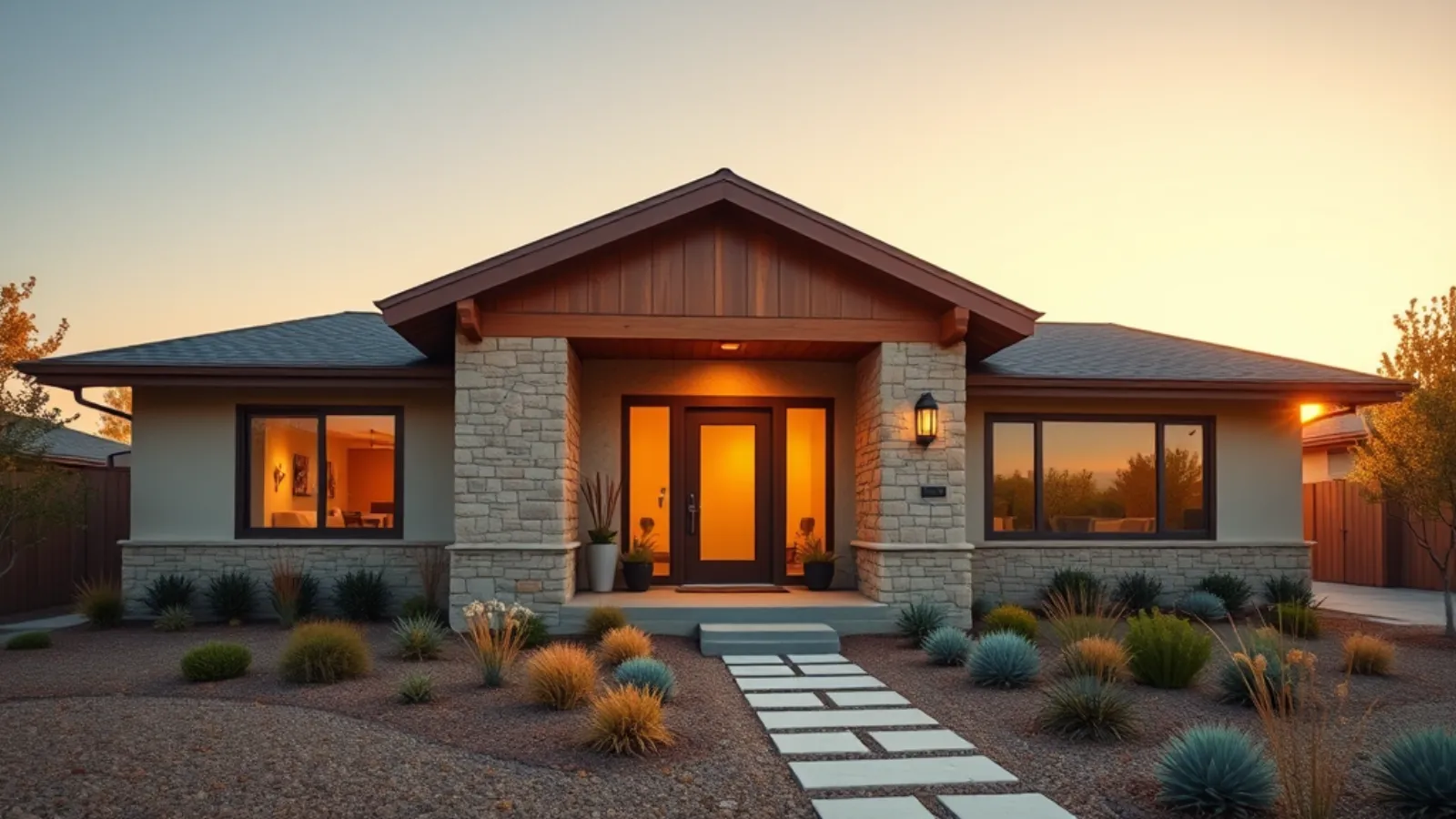
Rooted in India's Vedic texts, Vastu Shastra is a science that aligns buildings with cosmic energies, using cardinal directions and five elements to bring balance and well-being.
Key Concepts
- Five Elements and Directions: Aligns earth, water, fire, air and space with directions for optimal energy.
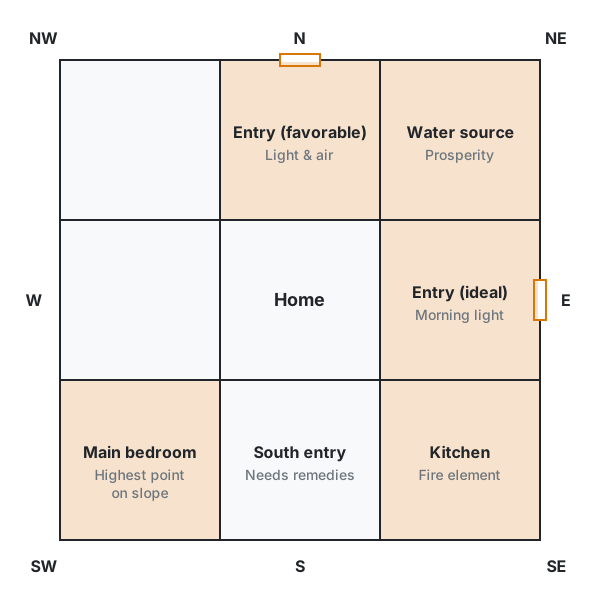
- Room Placement: Kitchens should be in the southeast (fire element), while bedrooms belong in the southwest.
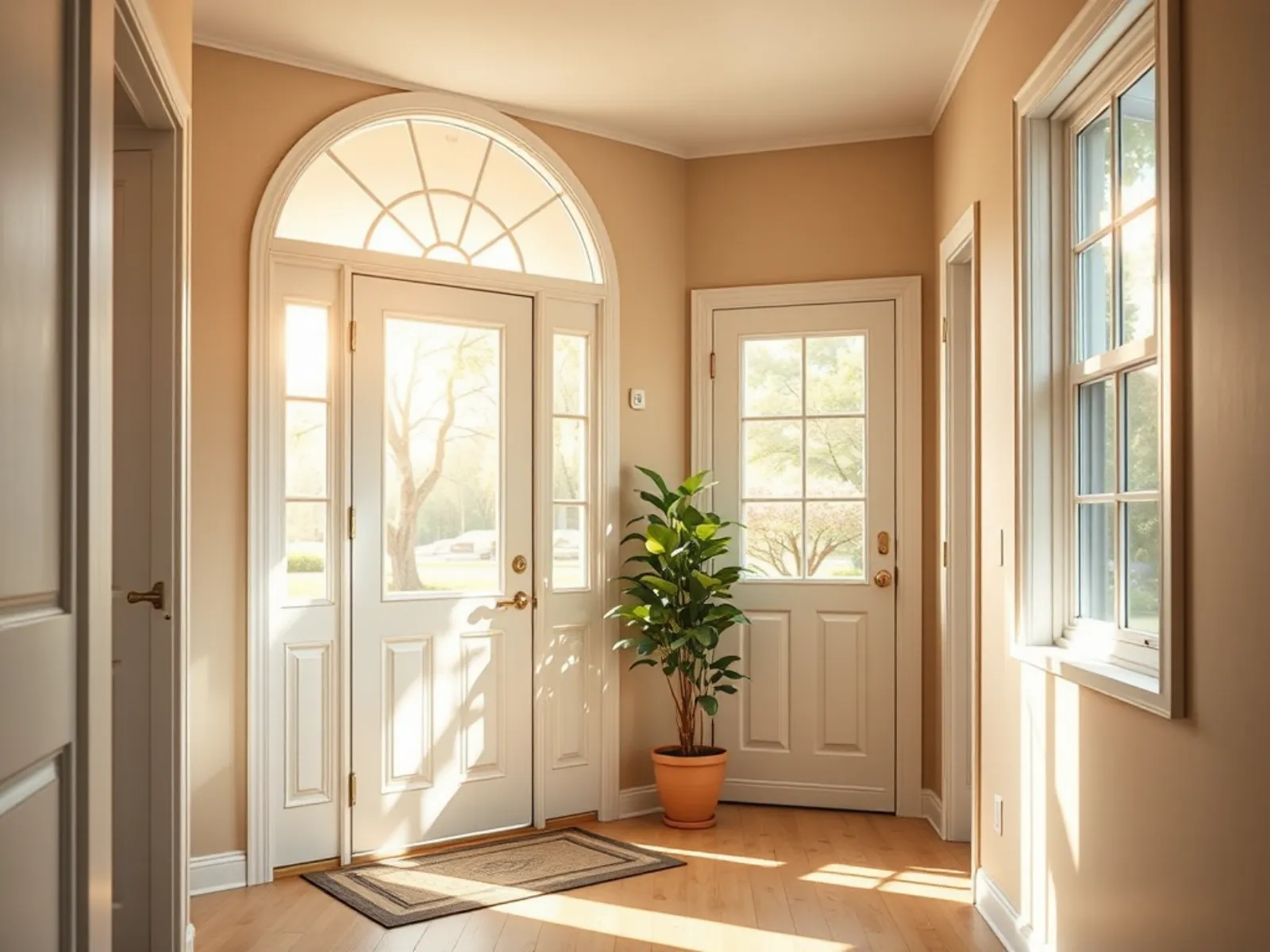
- Front Door Orientation: East-facing doors invite positive energy, symbolizing sunrise and fresh beginnings.
- Natural Light: East- and north-facing rooms are encouraged for sunlight and air flow.
- Vastu Remedies: Statues, colors or specific plants can correct imbalances.
Symbolic Elements
Ganesh Statues
Placed near entrances to remove obstacles and welcome prosperity.
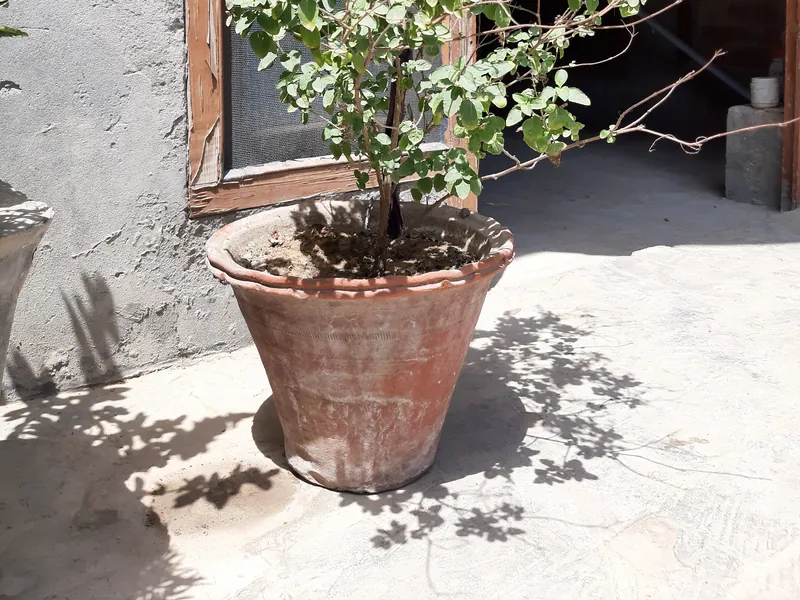
Tulsi (Holy Basil) Plants
Traditionally grown in courtyards for purification.
Photo: Jagseer S Sidhu, CC BY-SA 4.0
Mandala Patterns
Represent cosmic order, bringing balance to interiors.
Elephant Statues
Symbols of strength, placed near doors or in wealth areas.
Peacock Feathers
Attract harmony and positivity, often displayed in living spaces.
Conch Shell
Used near water sources to symbolize purity and prosperity.
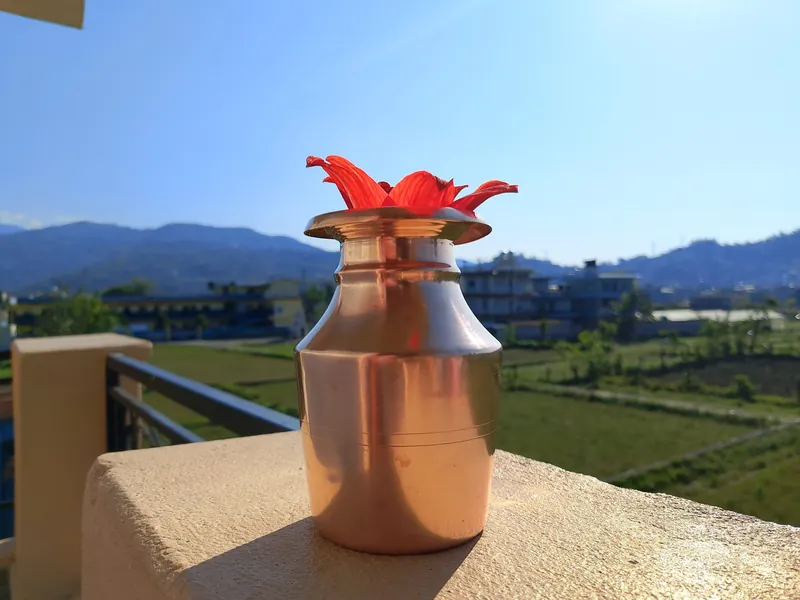
Copper Vessels
Purify water and balance energy, often placed in the kitchen.
Yellow Marigold Flowers
Associated with purity, often used in decor or as offerings.
Shankh (Sacred Conch)
Blown during ceremonies to clear energy and ward off negativity.
Cultural Significance
In India, Vastu-compliant homes are highly desirable and can add to property value and appeal because they follow traditional practices.
Practical Real Estate Considerations
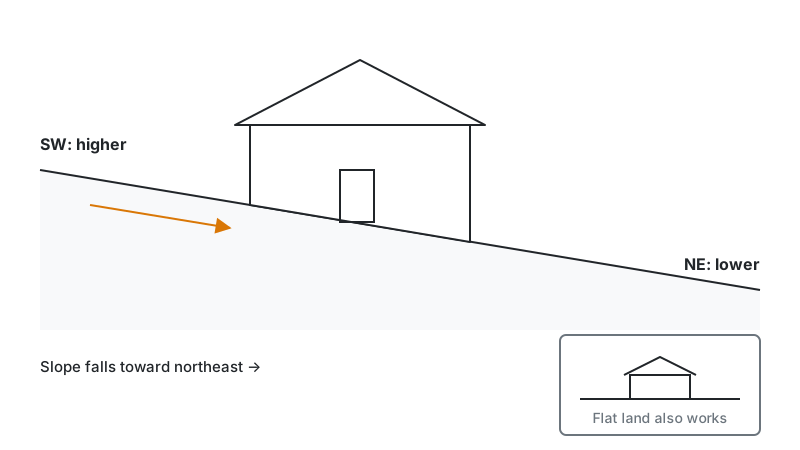
- Lot / Land Slope: Flat land works. On a sloped lot, the southwest corner of the home should sit higher than the northeast corner.
- Main Door Orientation: East- or north-facing doors are favorable; south-facing entrances call for remedies.
- Kitchen Placement: Southeast kitchens align with fire energy; north or northwest placements benefit from warm tones.
- Plot Shape: Square and rectangular plots provide balance; irregular shapes may need landscaping corrections.
- Natural Light: East- and north-facing windows or skylights increase positive energy flow.
- Water Source Placement: Water sources in the northeast are associated with prosperity.
Modern AdaptationsWesternized Vastu often prioritizes balance and symmetry over strict directional rules, which gives it wider appeal.
Feng Shui
Cultivating Balanced Energy in Homes
Origin
Feng Shui originated in ancient China over 3,000 years ago as a practice of harmonizing chi (energy) to foster prosperity and well-being. Its influence spans East Asian architecture, city planning and home design.
Key Concepts
- Five Elements: Balances wood, fire, earth, metal and water to support harmonious energy.
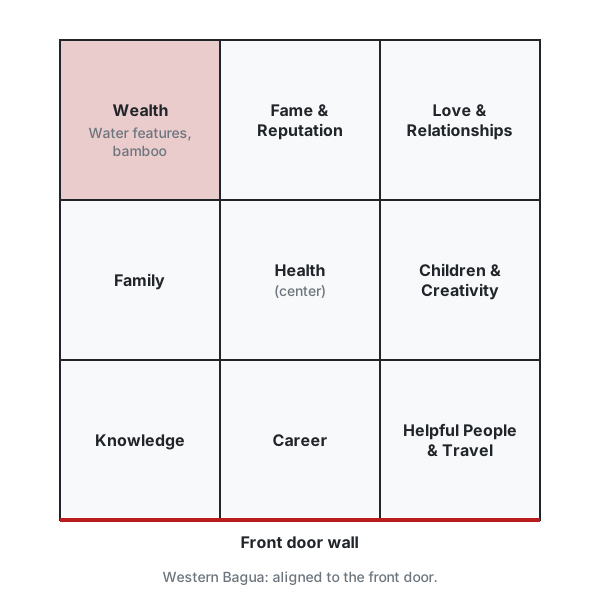
- Bagua Map: A grid that maps a home's energy zones, each tied to a life area such as wealth or health.
- Front Door Orientation: The front door, or "mouth of chi," is the main point of energy flow. Favorable directions include east and southeast.
- Furniture Placement: Avoid furniture that blocks paths or doorways so chi can circulate freely.
- Mirrors and Reflections: Mirrors redirect energy, so they are positioned carefully and kept out of areas like the bedroom where they can disturb rest.
Symbolic Elements
Wind Chimes
Placed at entrances to attract harmony and positive energy.
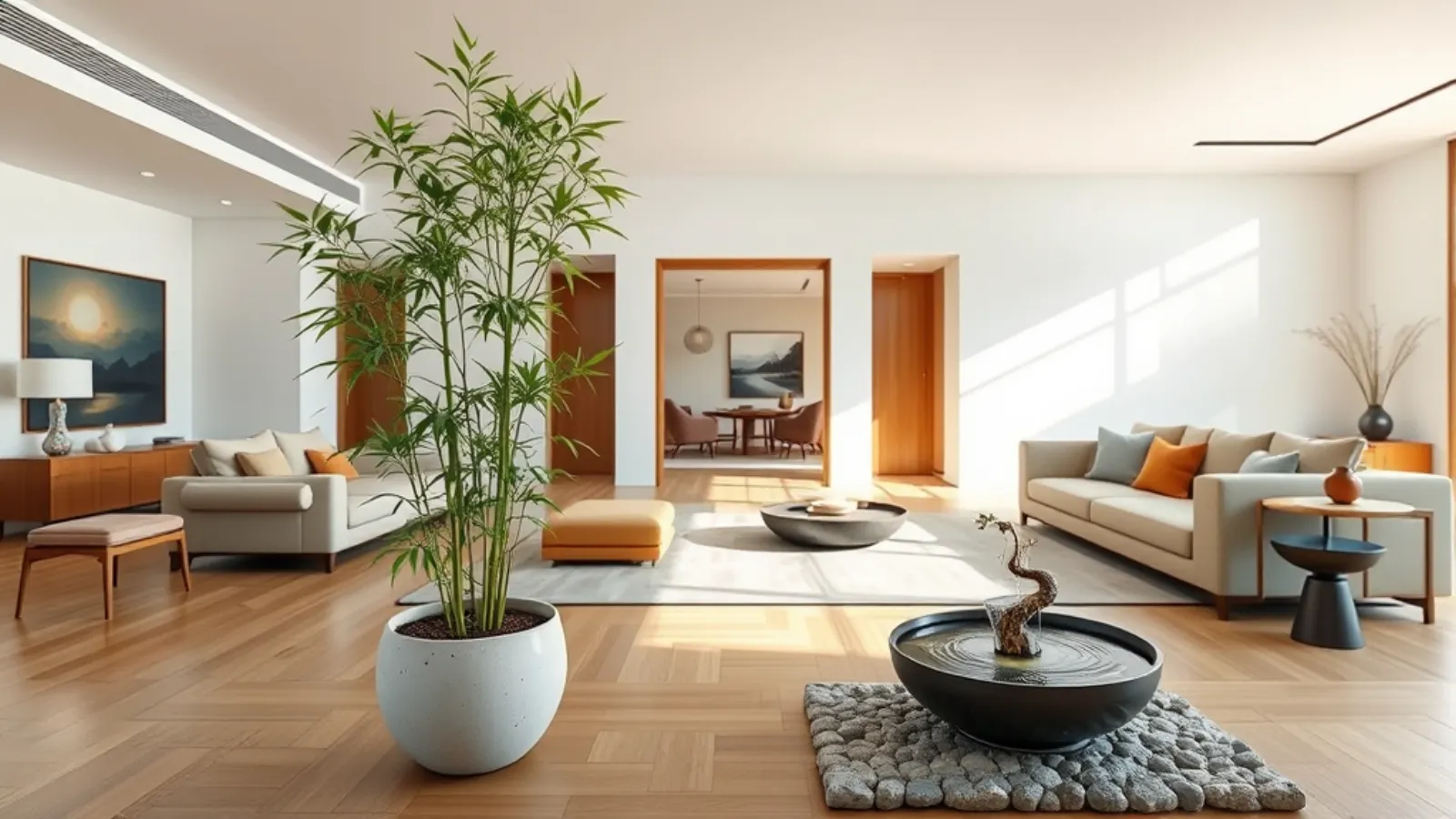
Water Fountains
Positioned in wealth zones (like the southeast) to attract abundance.
Crystals (Amethyst, Rose Quartz)
Used for energy stability and healing, especially in common rooms.
Dragon Statues
Represent protection and power, often displayed in living rooms.
Bamboo Plants
Symbolize growth and resilience, commonly placed in health or wealth areas.
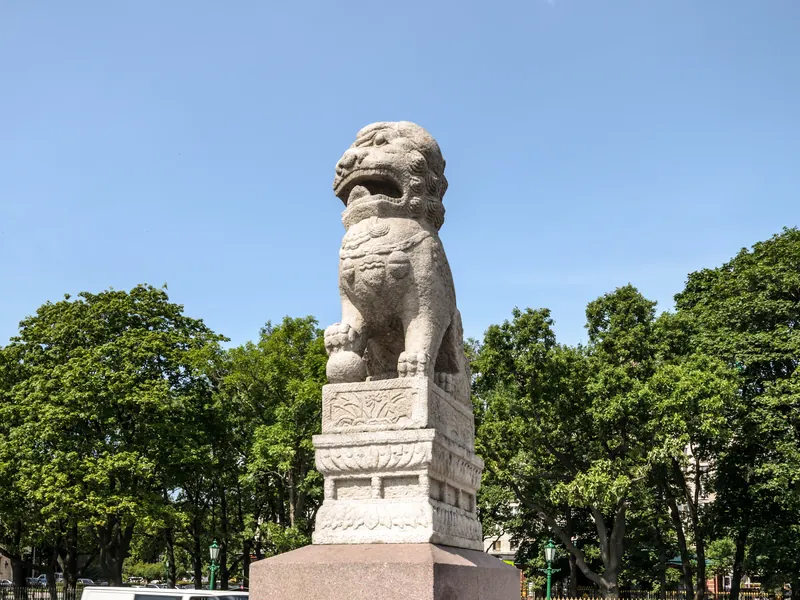
Fu Dogs
Guardian statues placed by the main door for security and protection.
Red Envelopes
Used for prosperity wishes, often hidden under rugs or in the wealth area.
Bagua Mirror
Hung above the entrance to deflect negative energy.
Chinese Coins
Three tied coins placed in wealth areas or under doormats for protection.
Mandarin Ducks
Symbolize love, typically displayed in pairs in bedrooms.
Cultural Significance
Feng Shui is deeply interwoven with Chinese culture, shaping home designs, office layouts and even city planning. It is commonly applied in households and businesses across East Asia.
Practical Real Estate Considerations
- Entrance Positioning: East or southeast entrances are ideal; other orientations can be balanced with colors or elements.
- Nearby Landscapes: Close proximity to rivers or mountains is considered to enhance positive energy.
- Staircase Placement: Avoid staircases that directly face the main door; plants near the stairs help retain energy.
- Square Floor Plans: Allow chi to circulate evenly for balanced energy distribution.
- Outdoor Water Features: Positioned in the southeast to align with prosperity.
Modern AdaptationsWestern Feng Shui often uses plants, mirrors and color to create balance without strictly following traditional layouts.
Wabi-Sabi
Embracing Simplicity and Imperfection
Origin
Originating in Japanese Zen Buddhism, Wabi-Sabi emphasizes simplicity, natural beauty and the appreciation of imperfection.
Key Concepts
- Natural Materials: Wood, clay and stone showcase the beauty of natural aging.
- Texture and Imperfection: Celebrates cracks, chips and wear as character.
- Simplicity in Decor: A minimalist, functional approach enhances tranquility.
- Mindful Space: Each item serves a purpose, fostering mindfulness.
- Connection to Nature: Organic elements maintain a close connection to the outdoors.
Symbolic Elements
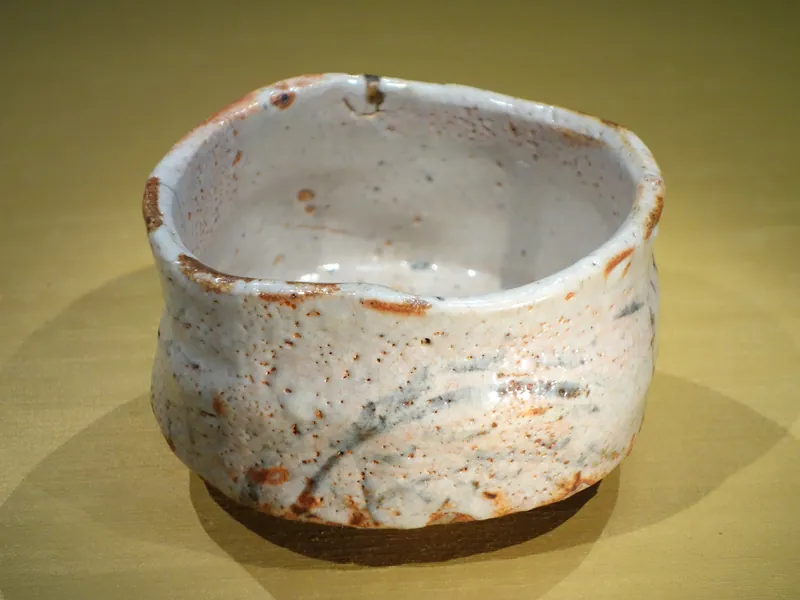
Handmade Pottery
Imperfect ceramics reflect beauty in flaws.
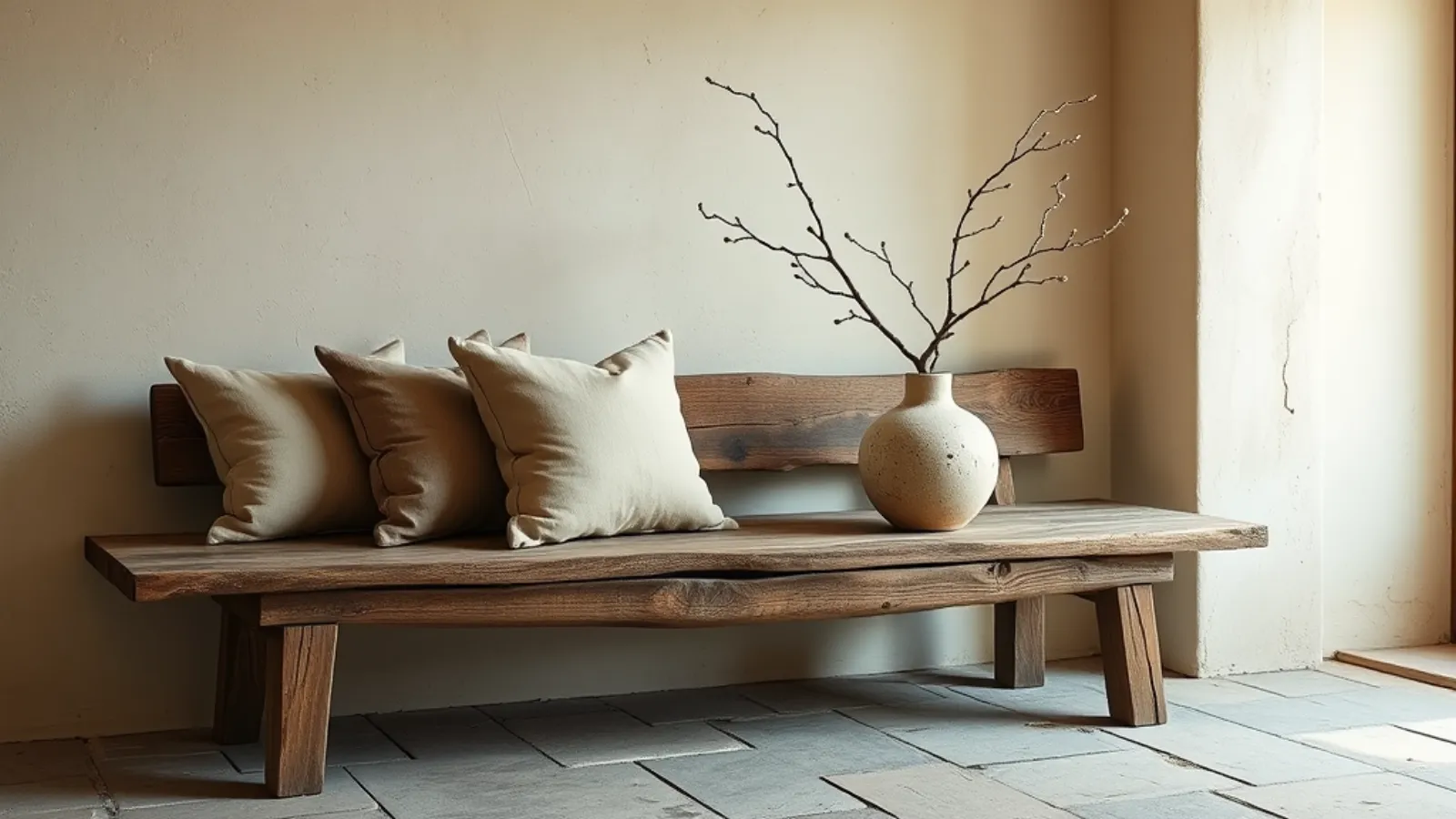
Weathered Wood
Represents authenticity and the passage of time.
Neutral Tones
Browns, grays and creams add a natural, calming effect.
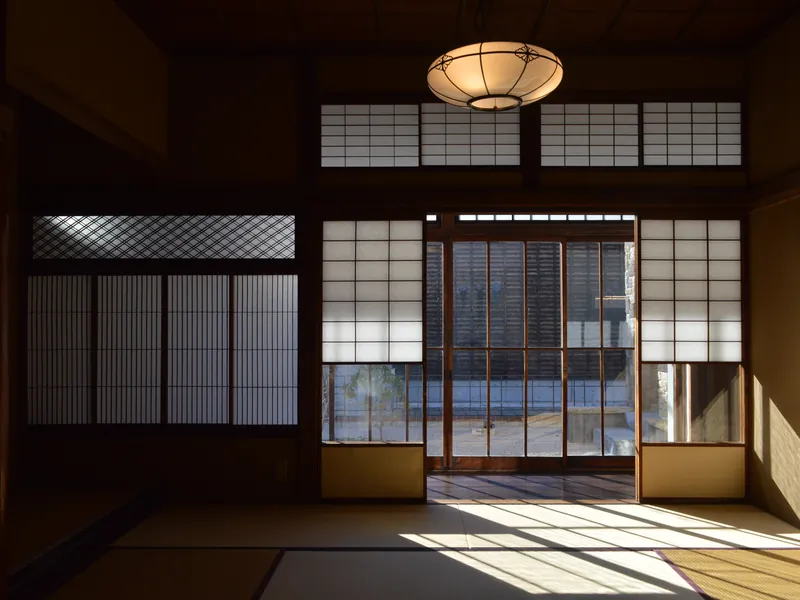
Tatami Mats
Natural-fiber mats that symbolize grounding and simplicity.
Photo: Asturio Cantabrio, CC BY-SA 4.0
Ikebana
Japanese floral arrangements showcasing simplicity and asymmetry.
Stone Pathways
Naturally imperfect paths that add charm and tranquility.
Dried Flowers and Branches
Symbolize simplicity and aging gracefully.
Linen Fabrics
Raw texture and imperfection add depth to spaces.
Tea Sets
Emphasize the appreciation of small, mindful rituals.
Rice Paper Screens
Add natural aesthetics with minimal impact on space.
Cultural Significance
Central to Japanese aesthetics, Wabi-Sabi shapes everything from tea ceremonies to interior design, fostering humility and harmony with nature.
Practical Real Estate Considerations
- Natural Materials: Reclaimed wood, stone and other natural textures add character.
- Neutral Color Palettes: Earthy tones create a calm, grounded ambiance.
- Minimalist Layouts: Open, uncluttered layouts appeal to anyone seeking tranquility.
- Outdoor Patina: Weathered patios and natural landscaping reflect the philosophy's values.
- Indoor Greenery: Dried branches and simple plants reinforce the aesthetic.
Modern AdaptationsWestern Wabi-Sabi often blends minimalism with eco-conscious materials, which fits well with sustainable building and design.
Pungsu-jiri-seol
Harmonizing with Natural and Cosmic Energies
Origin
Rooted in Korean Confucianism, Taoism and shamanism, Pungsu-jiri-seol (Korean geomancy) aligns structures with natural landscapes and cosmic energies to promote harmony, prosperity and well-being. It has shaped Korean architecture and urban planning.
Key Concepts
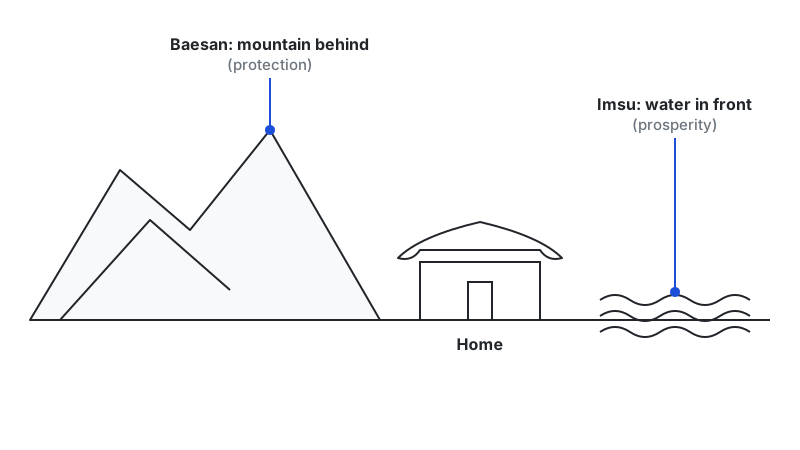
- Baesanimsu Principle: Ideal sites have mountains at the back (baesan) for protection and water in front (imsu) for prosperity.
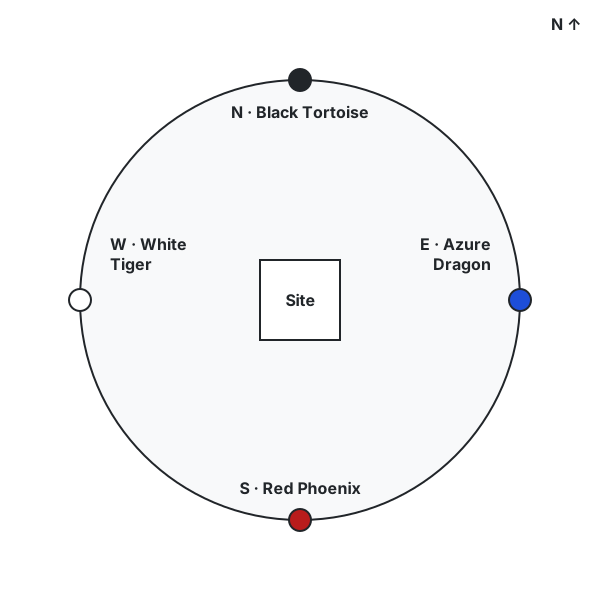
- Four Guardian Animals: Sites align with the Azure Dragon (east), White Tiger (west), Black Tortoise (north) and Red Phoenix (south).
- Energy Flow (Ki): Structures optimize ki flow through natural features like rivers and mountains.
- Site Selection: High, stable ground with gentle slopes avoids negative energy.
- Simplicity in Design: Minimalist layouts and natural materials foster harmony.
Symbolic Elements
Sotdae (Wooden Bird Poles)
Stand at village entrances to ward off evil and invite prosperity.
Jangseung (Guardian Posts)
Carved totems at boundaries for protection.
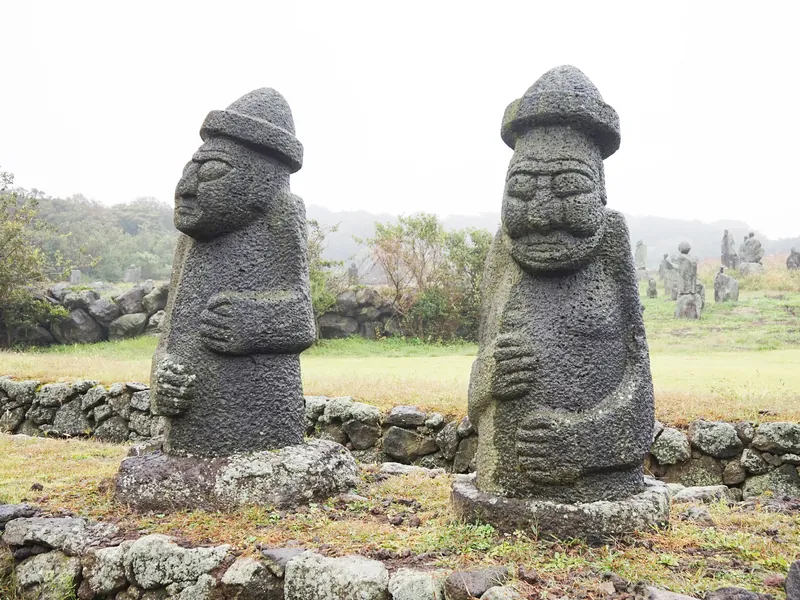
Dolhareubang (Stone Statues)
Jeju's volcanic-stone figures placed near entrances for protection.
Pine Trees
Symbolize longevity; planted near homes or sacred sites.
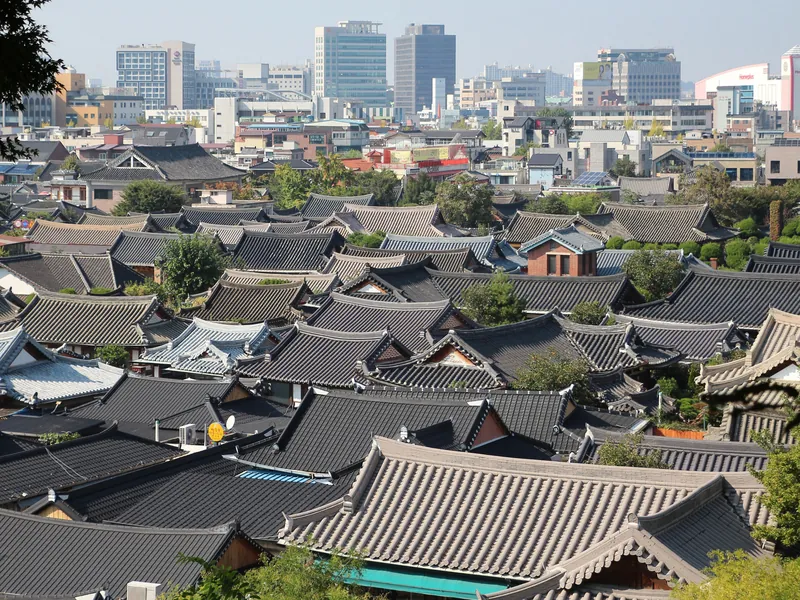
Hanok Roof Curves
Mimic natural forms, guiding energy flow.
Seoktap (Stone Pagodas)
Stacked stones in gardens that balance energy.
Talismans (Bujeok)
Paper charms kept in homes for good fortune.
Water Jars (Hangari)
Earthenware near entrances that symbolizes abundance.
Hanging Red Peppers
Hung at doorways to ward off misfortune.
Ondol Flooring
Heated floors that connect to the earth's warmth.
Cultural Significance
Pungsu-jiri-seol is integral to Korean culture, influencing hanok homes, palaces and cities like Seoul, with an emphasis on harmony with nature and cosmic forces.
Practical Real Estate Considerations
- Mountain and Water Alignment: Mountains behind and water in front are highly valued.
- Entrance Orientation: East- or southeast-facing entrances optimize ki flow.
- Plot Shape: Rectangular or gently curved plots provide balance.
- Natural Features: Proximity to rivers or hills adds geomantic appeal.
- Minimalist Aesthetics: Simple designs in wood and stone are a valued feature.
Modern AdaptationsModern Pungsu-jiri-seol blends traditional principles with eco-friendly materials and simplified layouts, a natural fit for sustainable design.
At a Glance
What each tradition emphasizes when evaluating a property
| Tradition | Favored Entrance | Site & Land | Layout & Shape | Water |
|---|---|---|---|---|
| Vastu Shastra | East or north | Flat, or southwest higher than northeast | Square / rectangular plots; southeast kitchen | Northeast |
| Feng Shui | East or southeast | Near rivers or mountains | Square floor plans; stairs not facing the door | Southeast |
| Wabi-Sabi | No set direction | Natural landscaping, weathered patios | Open, minimalist, natural materials | Not a focus |
| Pungsu-jiri-seol | East or southeast | Mountain behind, high stable ground | Rectangular or gently curved plots | Water in front |
Continue exploring
Looking for a home with specific design features?
Tell us what matters to you, whether it's orientation, natural light, lot shape or materials, and we'll help you find properties that fit.
Talk to an Agent